Defining Investor Sentiment
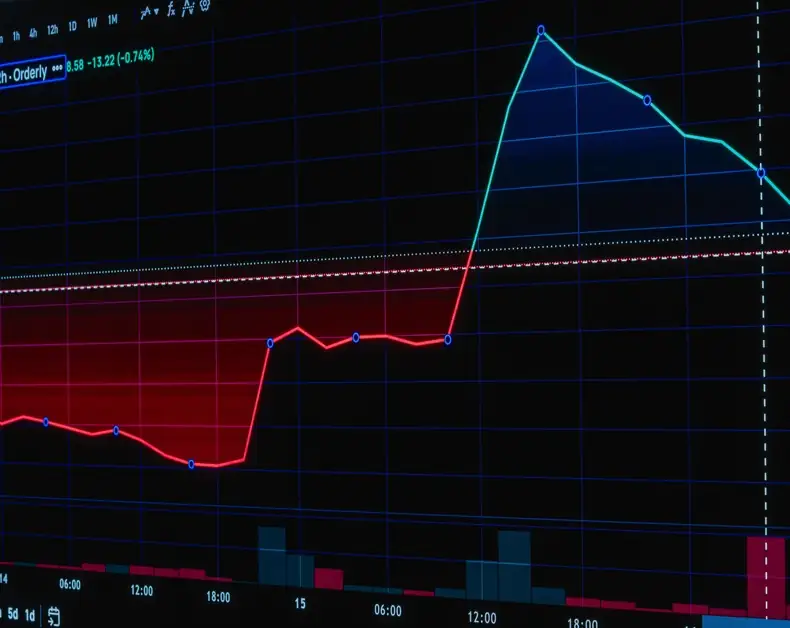
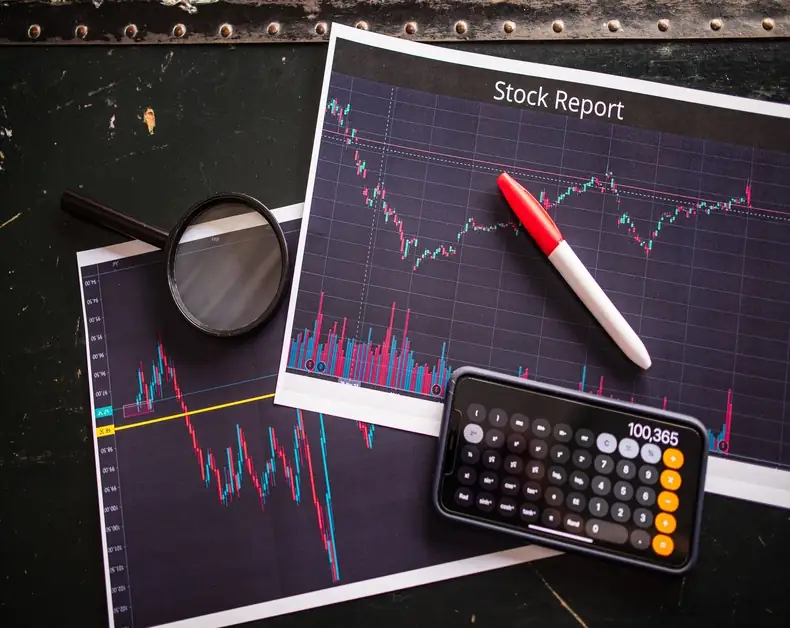
Investor sentiment reflects the collective mood of market participants, ranging from optimism to fear. It’s a powerful force driving stock price fluctuations, often amplifying trends beyond what fundamentals justify. Understanding sentiment helps investors avoid herd-driven mistakes and make rational choices.
How Sentiment Influences Prices
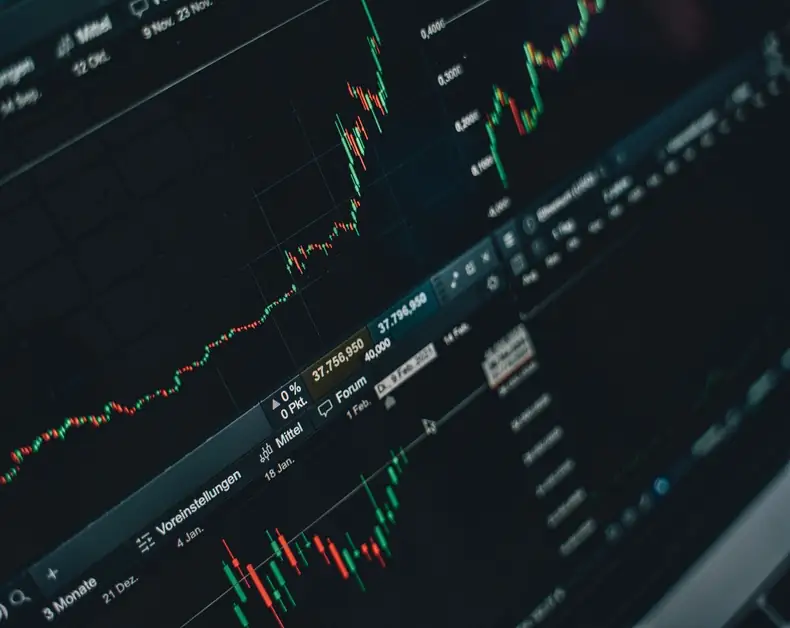
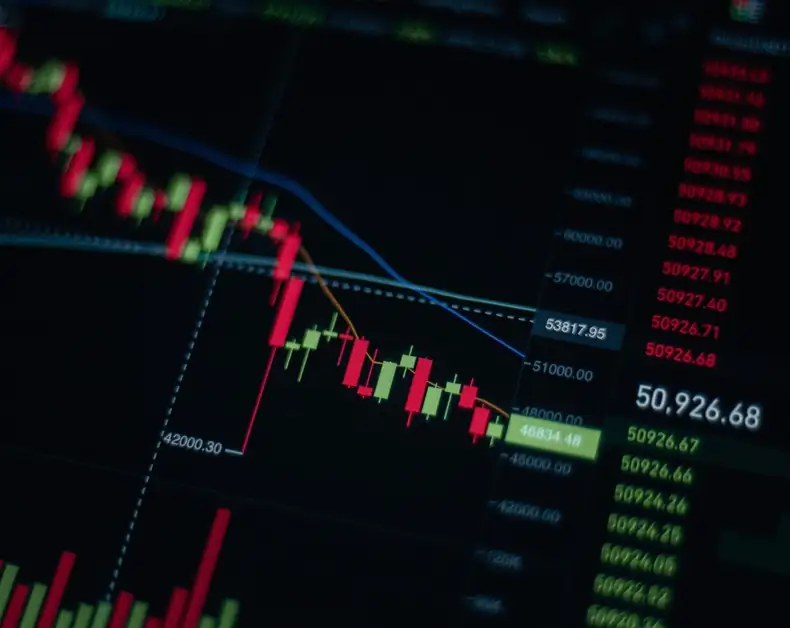
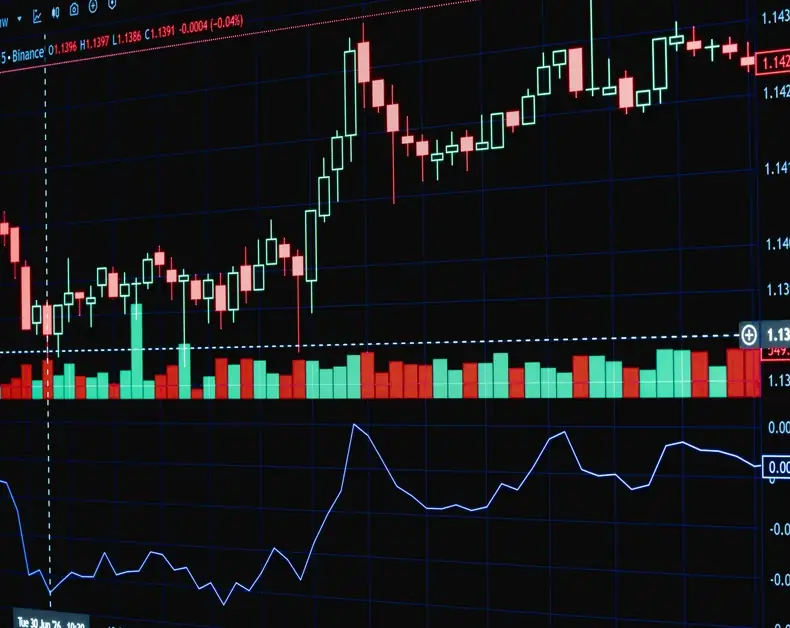
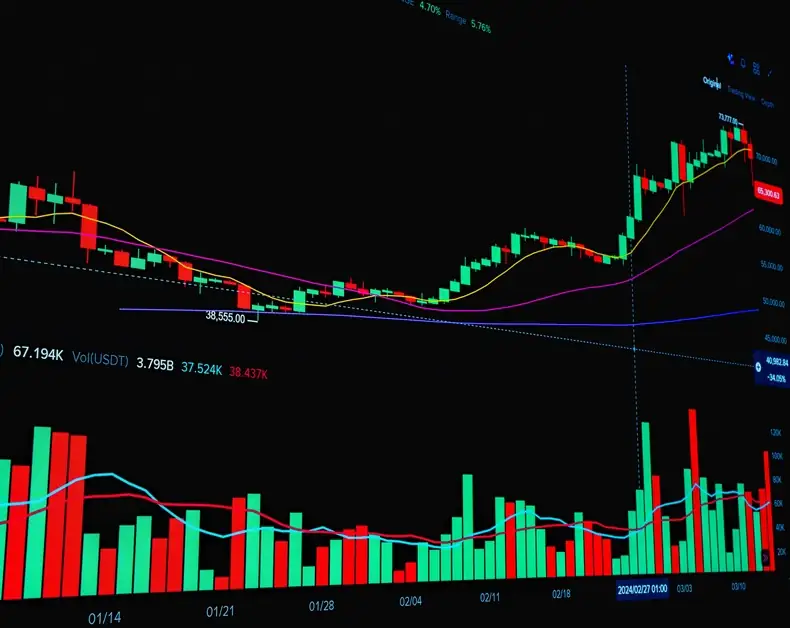
Positive sentiment, fueled by strong economic news or innovation, drives buying, pushing prices higher. For instance, excitement about new technologies can spark rallies, even if profits lag. Conversely, negative sentiment—triggered by uncertainty or crises—leads to sell-offs, depressing prices. Historical examples show sentiment-driven bubbles, like those in the late 1990s, often burst when reality sets in.
Measuring Sentiment
- Surveys: Consumer confidence indices gauge spending intentions, impacting corporate revenues.
- Market Indicators: The Volatility Index (VIX), often called the “fear gauge,” rises during uncertainty. High put-call ratios signal bearish sentiment.
- Media and Social Trends: News headlines and online discussions can amplify optimism or panic, influencing trading behavior.
Managing Sentiment-Driven Volatility
Investors can counter sentiment’s sway by:
- Focusing on Fundamentals: Evaluate companies based on earnings and growth, not market hype.
- Setting Rules: Use stop-loss orders or predetermined exit points to avoid emotional trades.
- Contrarian Thinking: Buying during widespread fear or selling amid euphoria can yield gains, as markets often overreact.
- Diversifying: A balanced portfolio mitigates losses from sentiment-driven swings.
Long-Term Perspective
Sentiment is fleeting, but markets trend upward over time, with historical returns averaging 7–10% annually. By staying disciplined and filtering out noise, investors can align with long-term growth rather than short-term sentiment. Regularly reviewing data-driven sources, like economic reports, helps maintain objectivity, ensuring decisions reflect reality, not mood.