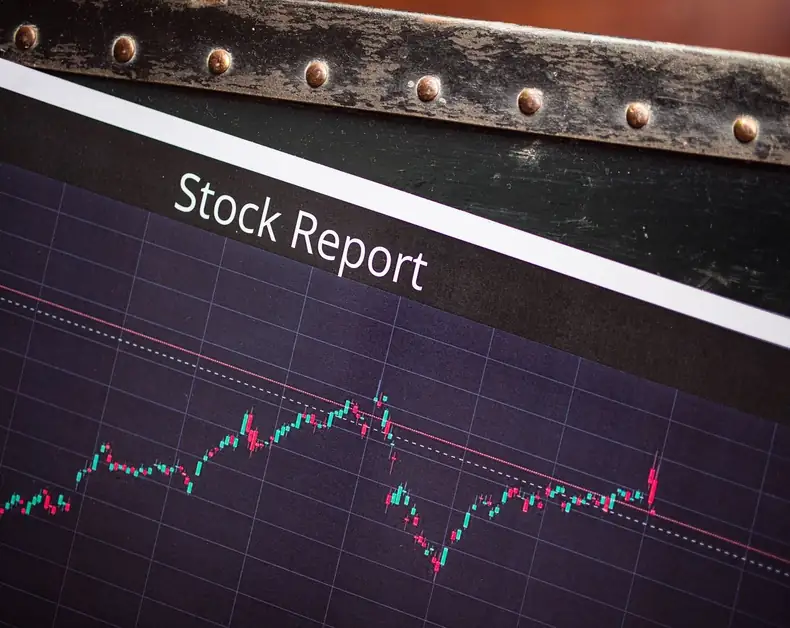
Stock Market News are attracting significant attention in today’s market. Stock market news is buzzing with anticipation as the Federal Reserve’s impending interest rate decision looms over the AI-heavy S&P 500. Scheduled for announcement on October 28, 2026, this decision could significantly impact trading activities within the market. With rising bond yields and AI sectors heavily reliant on debt markets, the outcome of the Fed’s deliberations holds particular significance. As people await the verdict, the economic landscape remains a focal point for many.
Anticipated Stock Market News on October 28
Wednesday, October 28, 2026, is shaping up to be a significant day for the stock market. The Federal Reserve’s Open Market Committee (FOMC) is set to announce its decision on interest rates. Such announcements typically lead to increased market activity, with this particular decision carrying extra weight due to rising bond yields and the significant role of artificial intelligence in the S&P 500.
Interest Rates and Market Reactions
The Federal Reserve has a dual mandate: to maintain stable prices and maximise employment. Higher interest rates can help control inflation but may slow economic growth, affecting hiring. Conversely, lower rates encourage borrowing, potentially boosting employment, but can also lead to higher inflation.
Stock Market News: Economic Indicators
Currently, the unemployment rate stands at 4.2%, with only 29,000 new jobs added in September, falling below the average monthly job growth of 45,000 over the past year. Meanwhile, inflation is on the rise, with the Consumer Price Index (CPI) increasing by 3.7% in September from a year earlier, up from 3.4% in August. The Personal Consumption Expenditures price index (PCE) also rose by 3.4% in August, though the September figure will be released after the rate decision. The Fed’s inflation target is 2%, posing a challenge given the current economic landscape.
Factors Influencing Inflation
Energy prices, particularly gasoline, have significantly contributed to inflation, with a more than 9% increase in September, driven by the ongoing conflict in Iran. The Fed must decide whether to consider this inflation as temporary, given its external cause. However, if the situation persists, elevated gas prices could spread to other sectors, turning temporary inflation into a more systemic issue—a concern highlighted by New York Fed President John Williams in September.
Federal Reserve’s Upcoming Announcement
The Federal Reserve is expected to maintain current interest rates, adopting a cautious approach. The rate announcement is scheduled for October 28 at 2 p.m. ET, followed by a press conference at 2:30 p.m. ET. While a rate hold is anticipated, any indications of future rate hikes could significantly affect sectors reliant on borrowing, such as artificial intelligence, where companies like Meta and Amazon are investing heavily in data centres.
Conclusion
As the Federal Reserve gears up to announce its latest decision on interest rates, the implications for the stock markets, particularly the AI-heavy S&P 500, remain a focal point. The Fed’s dual mandate of ensuring stable inflation while fostering employment is a tightrope act that influences market dynamics significantly.
Given the current economic environment, marked by fluctuating inflation rates and varying employment levels, the Fed’s decision will be scrutinised closely. Artificial intelligence, which has become a cornerstone for many companies in the S&P 500, adds another layer of complexity. Technological advancements in AI have been touted as both a potential driver of future growth and a challenge when aligned with economic policies set by the Federal Reserve.
Ultimately, while the Fed’s interest rate decision is imminent, its impact will be observed in terms of how it balances the ongoing battle between inflation control and employment objectives. For those with an eye on the markets, staying informed about these developments is crucial to understanding the broader economic picture.
Why is the Federal Reserve’s interest rate decision significant for the stock market on October 28, 2026?
The Federal Reserve’s interest rate decision on October 28, 2026, is significant because it could lead to increased trading activity. This is particularly impactful as the S&P 500 has a large concentration in artificial intelligence, an industry heavily reliant on debt markets, making the decision more influential than usual. For more details, see the original article.
What is the Federal Reserve’s dual mandate, and how does it impact interest rate decisions?
The Federal Reserve’s dual mandate is to maintain stable prices and maximise employment. This impacts interest rate decisions because raising rates can control inflation but may slow economic growth and reduce hiring, while lowering rates can boost employment but also increase inflation. Source: original article.
How are current economic indicators influencing the Fed’s decision on interest rates?
Current economic indicators such as a 4.2% unemployment rate and rising inflation, with a Consumer Price Index increase of 3.7% in September, are creating a mixed picture for the Fed. These factors make the decision challenging, as raising rates could slow hiring while lowering rates risks increasing inflation further. Find out more in the original article.
What role do energy prices play in the current inflation scenario?
Energy prices, particularly gasoline, have significantly contributed to the current inflation, with a 9% increase in September due to the ongoing conflict in Iran. This spike is responsible for about half of the monthly increase in the Consumer Price Index, influencing the Fed’s considerations on whether this inflation is temporary. More information can be found here.
What are the potential consequences of the Fed’s interest rate decision for the AI sector within the S&P 500?
The AI sector within the S&P 500 could be significantly impacted by the Fed’s interest rate decision due to its reliance on debt markets. Higher rates could increase borrowing costs, potentially slowing growth and innovation within the sector, while lower rates could encourage expansion but risk fuelling inflation. See more in the source article.
In other news: Stock Market News: American Water Works Update