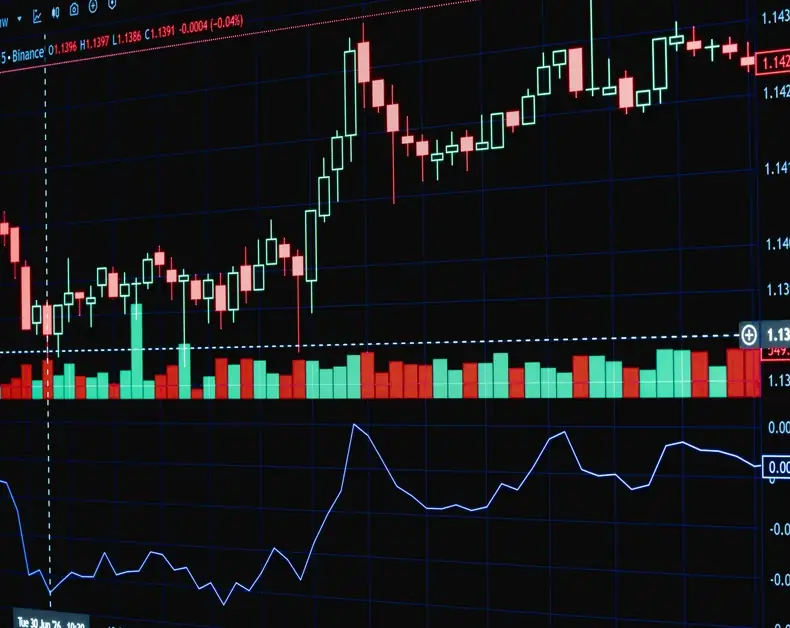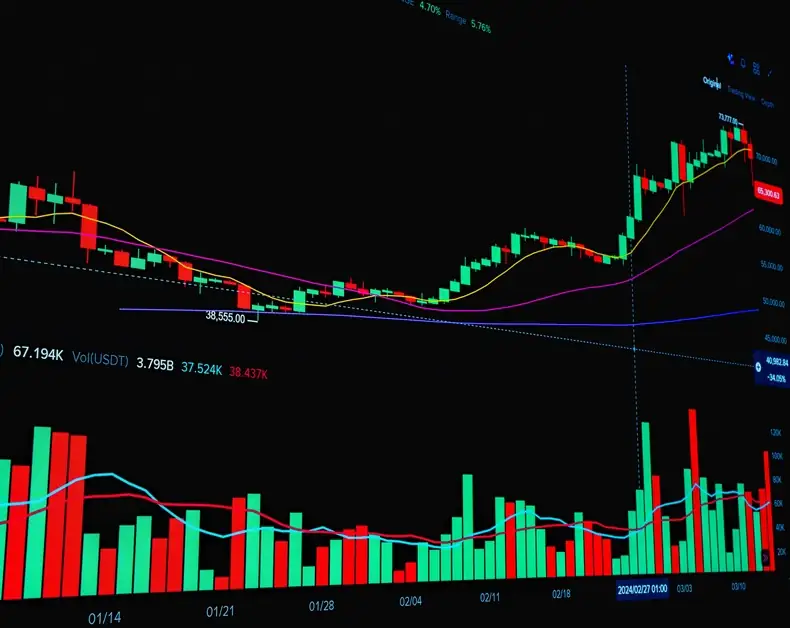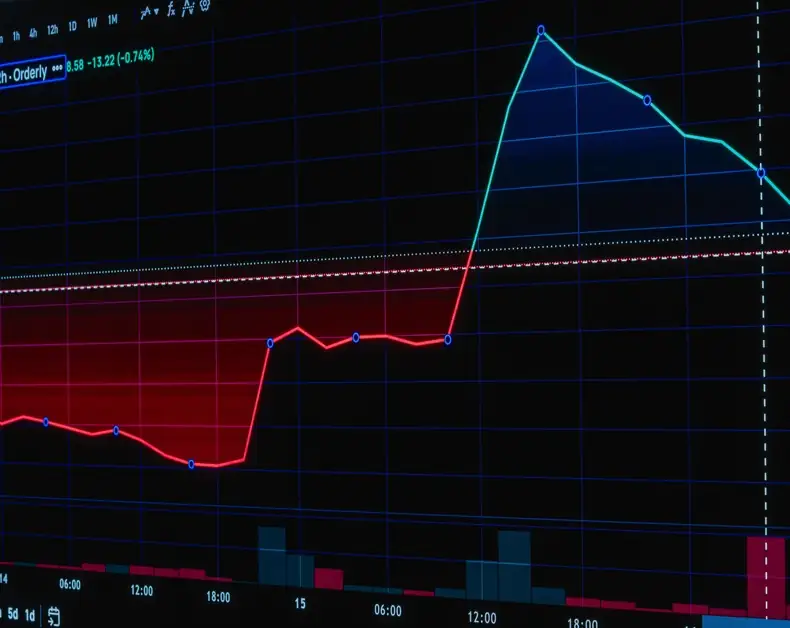
What Is a Market Correction?
A market correction is a decline of 10–20% in stock prices from recent highs, often signaling a temporary pause in a bull market. Unlike bear markets, corrections are shorter and less severe, offering both risks and opportunities for investors.
Causes of Corrections
Corrections stem from various triggers:
- Overvaluation: When prices outpace fundamentals, profit-taking sparks declines.
- Economic Data: Weak reports, like slowing growth or rising inflation, can dent confidence.
- External Shocks: Geopolitical tensions or policy shifts may prompt sell-offs.
- Technical Factors: Heavy selling at resistance levels can accelerate downturns.
Effects on Portfolios
Corrections test investor resilience. Portfolios heavy in high-growth sectors may see sharper declines, while diversified or defensive holdings fare better. Historical data shows corrections occur roughly every 1–2 years, lasting 2–6 months, with average drops of 13–15%. Most recover quickly, rewarding those who stay invested.
Strategies to Weather Corrections
- Rebalance Portfolios: Use dips to buy undervalued assets or reallocate to defensive sectors.
- Avoid Panic Selling: Selling during corrections locks in losses; historical recoveries favor holding.
- Maintain Cash Reserves: Liquidity allows buying at lower prices during downturns.
- Focus on Quality: Companies with strong balance sheets and consistent earnings are more resilient.
Seizing Opportunities
Corrections often create buying opportunities for long-term investors. By focusing on fundamentals and maintaining discipline, investors can position portfolios for recovery. Regular contributions, like dollar-cost averaging, smooth out volatility’s impact, ensuring steady growth through market cycles.